
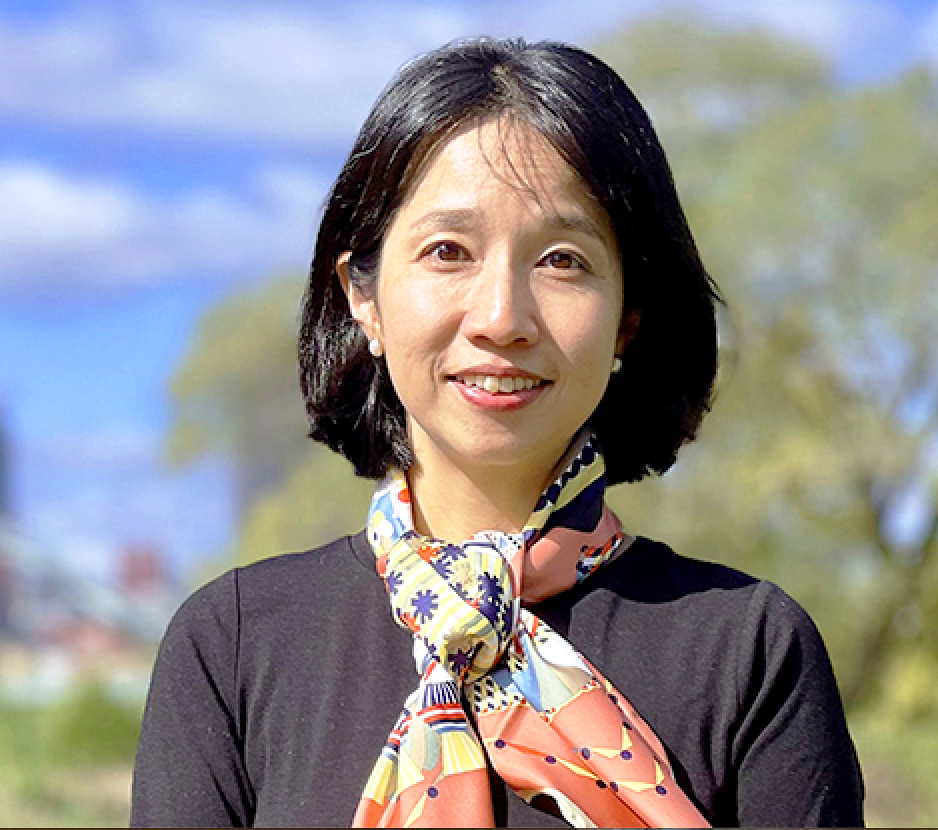
 My name is Shiori Sekine. On October 1, 2025, I was appointed as a Professor to the Laboratory of Organelle Signaling in the Graduate School of Pharmaceutical Sciences at Kyoto University.
After graduating from the Department of Pharmaceutical Sciences at the University of Tokyo in 2006, I earned my Master’s and Ph.D. from the Graduate School of Pharmaceutical Sciences at the same university. I then continued my research there for about five years as Assistant Professor. In 2016, I moved to the National Institutes of Health (NIH) in the United States as a postdoctoral fellow. Since 2019, I have been leading my independent laboratory at the Aging Institute, University of Pittsburgh. I joined the Graduate School of Pharmaceutical Sciences at Kyoto University with a cross-appointment status, and I will establish a new laboratory in the department with a full appointment starting in April 2026.
My research focuses on mitochondria. Mitochondria are well-known as the primary energy-producers within cells, but they also play a crucial role in multiple other vital processes in our body, including, but not limited to, iron-cofactor synthesis, thermogenesis, apoptosis and immune responses. Recent studies have revealed that mitochondria possess sophisticated mechanisms to maintain their functionality and, consequently, the homeostasis of the entire organism. They accomplish this by sensing environmental changes such as stress and metabolite fluctuations, and by activating the appropriate cellular responses to combat these challenges. It has also become clear that close communication between mitochondria and other organelles constitutes one important branch of these responses. My goal is to uncover the detailed molecular mechanisms by which mitochondria sense environmental changes and convert them into intracellular signals. By deciphering these mechanisms, I hope to advance our understanding of various diseases caused by mitochondrial dysfunction and contribute to the development of new drug discovery and therapeutic strategies.
One mitochondrial-localized protein that I have worked on during my doctoral studies sparked my fascination with the incredibly elaborate molecular systems working in mitochondria. This excitement has guided my research in mitochondrial biology for over 15 years. A pure curiosity about small (yet fundamentally significant) events happening inside cells has led me to a lot of precious encounters, eventually opening up various unexpected paths, such as running my own lab in the USA. I am truly looking forward to beginning my new research endeavor at Kyoto University. Through active collaboration with researchers who have diverse research expertise in the university as well as in industry, I am eager to explore new research areas. I would also be delighted if I could leverage my experience to create opportunities for students to take on challenges overseas.